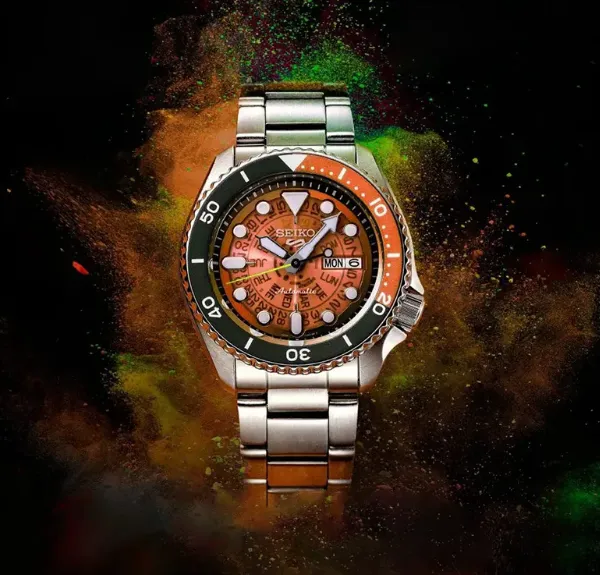
In a world overflowing with digital screens, smart devices, and instant notifications, it’s easy to assume the traditional wristwatch has lost its relevance. After all, our phones tell the time. Our laptops tell the time. Even our smart speakers will happily announce it if we ask.
Also Read: 4 Ways to Boost Employee Confidence and Foster a Positive Workplace
But here’s the truth:
The wristwatch has never really been about timekeeping alone.
It has always been about something deeper.
Identity.
Craftsmanship.
Precision.
Heritage.
Emotion.
Presence.
And today — perhaps more than ever — the value of a finely-made watch continues to grow, not as a gadget, but as a symbol of personal expression and appreciation for timeless quality.
This article explores why watches still matter in our hyper-digital world… why craftsmanship remains irreplaceable… and why people across regions — from enthusiasts to professionals, collectors to everyday wearers — continue to admire well-built timepieces, whether luxury, heritage, or modern mechanical creations such as those found in conversations surrounding Seiko watches Bangladesh available through reputable retail networks.
But our focus today isn’t on product promotion.
It’s on understanding the human connection to watches — and why that connection refuses to fade.
Watches Are Not Just Objects — They’re Personal Stories
Think of the first watch you ever owned.
Perhaps it was a childhood gift.
A graduation celebration.
A present from a parent.
A milestone purchase.
A reward for hard work.
Watches often arrive with memories attached.
Unlike phones — which we replace frequently — watches are built to last. Many stay with us for decades. Some become heirlooms. Others become reminders of places we’ve been, people we’ve known, and lives we’ve lived.
A watch quietly journeys with you through life.
It’s on your wrist when you interview for your first job.
When you board your first international flight.
When you sign important documents.
When you celebrate achievements.
When you slow down and reflect.
This emotional permanence is rare in modern consumer culture — and it’s one of the reasons watches remain so meaningful.
The Beauty of Mechanical Precision
There’s something extraordinary about mechanical watchmaking.
Inside a traditional mechanical watch are:
micro-gears
springs
levers
shafts
and balance wheels
—all working together in a perfectly synchronized motion. No batteries. No chargers. Just engineering, gravity, tension, and time.
It is human craftsmanship captured inside a small piece of art.
Every mechanical movement is the result of:
generations of innovation
mathematical precision
patient hand-assembly
and obsessive quality control
As watchmakers often say:
“A fine watch isn’t built quickly.
It is built carefully.”
That mindset is refreshing in an age of mass-produced, disposable electronics.
The Psychological Impact of Wearing a Watch
Beyond function, watches influence how we feel — and how we present ourselves to the world.
Wearing a watch signals:
respect for punctuality
attention to detail
refined personal taste
awareness of tradition
quiet confidence
You don’t need loud branding to make an impression.
Sometimes the most powerful statements are subtle.
Executives, pilots, physicians, entrepreneurs, athletes, artists, educators — across industries — many still prefer a wristwatch over constantly checking a phone.
Because checking a watch is intentional.
Checking a phone is distracting.
A watch allows you to stay present in the moment.
The Rise of Watch Appreciation Communities
Across the globe, enthusiasts connect around their shared appreciation of fine timepieces.
Forums.
Collectors’ groups.
Review platforms.
Local meetups.
Online communities.
They discuss craftsmanship.
Movements.
Dial textures.
Accuracy.
Maintenance.
History.
This passion has created a culture rooted in learning, respect, and curiosity.
And unlike trend-driven fast fashion, watch culture values:
longevity
authenticity
knowledge
heritage
and integrity
This forms a bridge between generations — young collectors learning from seasoned enthusiasts — all united by fascination with precision engineering.
Why Quality Still Matters in Watchmaking
Not all watches are created equal.
A truly well-made watch is defined by:
material quality
movement reliability
finishing precision
accuracy stability
build integrity
long-term serviceability
It’s not about price alone.
It’s about craftsmanship standards.
Brands that invest in engineering excellence continue to earn trust from buyers globally — whether they produce elegant dress watches, rugged dive watches, military-style field watches, or everyday wear pieces.
Consumers today appreciate transparency, heritage, and durability more than ever.
Watches as Professional & Lifestyle Companions
Different professions value watches for different reasons.
Pilots
depend on legibility and precision.
Divers
require durability and water resistance.
Corporate professionals
appreciate understated luxury.
Outdoor adventurers
look for resilience.
Minimalists
prefer timeless simplicity.
Collectors
seek depth of heritage and technical artistry.
No phone can replace the feeling of a beautifully designed watch sitting comfortably on the wrist.
In an Age of Technology — Analog Feels Grounding
We live in a high-speed environment.
Notifications.
Email.
News cycles.
Deadlines.
Sometimes it feels like our devices are managing us — and not the other way around.
A mechanical or analog watch offers a quiet counterbalance.
No alerts.
No noise.
No algorithms.
Just time.
Measured.
Steady.
Uninterrupted.
It is, in many ways, a symbol of mindfulness.
Sustainability Through Longevity
Modern sustainability thinking values products that last.
A quality watch can:
survive decades
be repaired
be passed down
avoid landfill culture
This stands in contrast to tech devices that become obsolete within years.
The watch industry continues to evolve toward responsible manufacturing, ethical materials, and industry transparency — ensuring timepieces remain both meaningful and responsibly produced.
The Emotional Value of Gifting a Watch
Few gifts carry the depth of meaning a watch does.
It says:
“I value your time.”
“I believe in your journey.”
“This moment matters.”
Parents gift watches to children.
Spouses to one another.
Friends to celebrate milestones.
Organizations to honor achievements.
It becomes part of a story — not just an accessory.
The Watch Industry Is Evolving — But Staying Authentic
Today’s watch market blends heritage with innovation.
We see:
automatic movements
solar and kinetic technology
sapphire crystals
advanced casing materials
anti-magnetic engineering
hybrid analog-digital models
Yet the essence remains the same:
precision meets craftsmanship.
That consistency is what keeps collectors and everyday wearers engaged — globally and across generations.
Trust and Authenticity Still Define the Experience
When people buy a quality watch, they are not simply purchasing metal and movement. They are investing in trust.
Trust in:
brand reputation
manufacturing standards
after-sales service
movement reliability
value retention
and authenticity assurance
Consumers increasingly prefer authorized retailers, verified platforms, and recognized networks — ensuring peace of mind and long-term support.
Because a true watch purchase is not a quick transaction.
It is a relationship built on confidence.
Final Reflection — Why Watches Endure
Even as technology reshapes our world, the wristwatch remains:
timeless
personal
symbolic
reliable
crafted
meaningful
It represents more than time.
It represents appreciation for how time passes — and what we do with it.
As long as people continue to value heritage, precision, craftsmanship, and self-expression — the tradition of fine watches will remain deeply woven into modern culture.
And that future looks not digital vs analog…
but proudly both — working together.
FAQs — Traditional Wristwatches & Modern Life
1. Are wristwatches still relevant in the smartphone era?
Yes. Watches provide timeless style, personal identity, craftsmanship value, and convenience without distraction — making them both functional and symbolic.
2. What makes a well-crafted watch different from a fashion accessory?
Quality watches focus on engineering precision, durable materials, movement reliability, finishing standards, and long-term service ability — not just appearance.
3. Why do people collect watches?
Collectors value heritage, design, innovation, rarity, emotional connection, and the engineering artistry inside mechanical movements.
4. Are mechanical watches better than quartz?
Both have strengths. Mechanical watches highlight craftsmanship and tradition. Quartz watches provide high accuracy and convenience. Preference depends on lifestyle and taste.
5. Why do watches hold emotional value?
Because they often mark meaningful life moments — achievements, milestones, relationships, and memories.
6. Are watches considered sustainable products?
Quality watches are designed to last decades, be repaired, and retain value — making them more sustainable than disposable electronics.
7. Do watches improve professional presence?
Yes — a refined wristwatch communicates attention to detail, confidence, respect for time, and personal style.