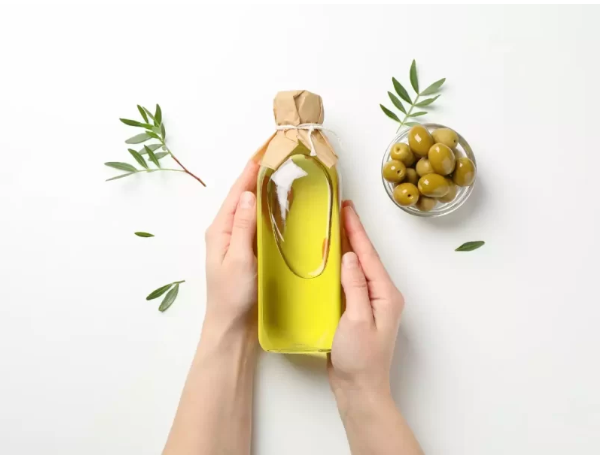
In today’s fast-paced culinary world, everyone is searching for ingredients that not only elevate flavor but also bring a wealth of health benefits. Enter cold-pressed oils—the luxurious, nutrient-packed oils that are transforming kitchens across the globe. From gourmet chefs to home cooks, these oils are no longer just a niche product; they have become a staple for those who value quality, taste, and wellbeing. But what exactly makes cold-pressed oils(auksti spiestas eļļas) a luxury ingredient, and why should they have a place in your kitchen? Let’s explore.
1. What Are Cold-Pressed Oils?
At the heart of their appeal lies the cold-pressing process. Unlike refined oils, which undergo chemical extraction and high-heat processing, cold-pressed oils are made by mechanically pressing seeds, nuts, or fruits without any external heat. This gentle method preserves delicate nutrients, aromatic compounds, and natural flavors that refined oils often lose during processing.
Cold-pressed oils are typically unrefined, which means they retain their natural color, aroma, and texture. For example, cold-pressed olive oil has a vibrant green hue and a distinctive, peppery taste, while cold-pressed sesame oil carries a rich, nutty aroma that instantly enhances any dish. This authenticity in flavor is what sets cold-pressed oils(šalto spaudimo aliejus) apart, making them a true luxury ingredient in the kitchen.
2. Why Cold-Pressed Oils Are Considered a Luxury Ingredient
The term “luxury” often evokes images of extravagance, rarity, and quality. Cold-pressed oils embody all three. Here’s why:
- Premium Flavors and Aromas: The minimal processing preserves natural flavors, giving dishes a richness that refined oils simply cannot match. A drizzle of cold-pressed walnut oil over roasted vegetables can instantly elevate a simple dish to gourmet status.
- Artisanal Production: Many cold-pressed oils are produced in small batches, often by local farmers or artisanal producers. This attention to detail ensures superior quality, which large-scale refined oil production rarely achieves.
- Health and Nutrition: Cold-pressed oils are rich in essential fatty acids, vitamins, and antioxidants. Unlike refined oils, which lose most nutrients during processing, cold-pressed oils retain compounds that support heart health, reduce inflammation, and even promote glowing skin and hair.
- Culinary Versatility: From dressings and dips to finishing oils for pasta and roasted dishes, cold-pressed oils enhance flavor without overpowering the natural ingredients, making them indispensable in both everyday and gourmet cooking.
3. Health Benefits You Can’t Ignore
One of the most compelling reasons to adopt cold-pressed oils is their impressive health profile. Unlike refined oils that may contain trans fats or lose vital nutrients during extraction, cold-pressed oils offer a range of benefits:
- Heart Health: Oils like cold-pressed olive, flaxseed, and walnut are packed with omega-3 and omega-6 fatty acids, which support cardiovascular function and reduce cholesterol levels.
- Anti-Inflammatory Properties: Many cold-pressed oils, such as coconut and sesame oil, contain natural antioxidants that combat inflammation and oxidative stress.
- Skin and Hair Benefits: When used topically or incorporated into your diet, these oils can nourish the skin, enhance elasticity, and promote healthier hair.
- Weight Management and Metabolism: Healthy fats from cold-pressed oils aid in satiety, regulate metabolism, and help maintain a balanced diet when consumed in moderation.
It’s clear that cold-pressed oils are not just a culinary luxury—they are an investment in long-term wellness.
4. Culinary Uses: From Everyday Cooking to Gourmet Creations
Many people assume that luxurious oils are only suitable for salads or garnishes, but cold-pressed oils are far more versatile than that. Understanding how to use them can transform your cooking routine:
- Salads and Dressings: A splash of cold-pressed olive or avocado oil adds depth and a fresh aroma to any salad.
- Low-Heat Cooking: Oils like cold-pressed coconut or sunflower oil are perfect for sautéing or light frying, retaining both nutrients and flavor.
- Finishing Touch: Drizzle walnut, sesame, or pumpkin seed oil over soups, roasted vegetables, or pasta dishes to elevate presentation and taste.
- Baking: Certain nut oils, such as almond or macadamia, can enrich baked goods with a subtle, nutty flavor that refined oils cannot replicate.
By strategically incorporating cold-pressed oils, you can turn ordinary meals into gourmet experiences without needing professional culinary skills.
5. How to Choose the Right Cold-Pressed Oil
Not all cold-pressed oils are created equal. Selecting the right one requires attention to labeling, aroma, and color:
- Look for “Cold-Pressed” and “Unrefined”: This ensures the oil has been extracted naturally without chemical processing.
- Check for Organic Certification: Organic cold-pressed oils are free from pesticides and artificial additives.
- Assess Color and Aroma: A fresh, vibrant color and a pleasant, nutty or fruity aroma indicate high-quality oil.
- Brand Reputation: Small-batch and artisanal brands often maintain stricter quality standards compared to mass-produced oils.
By choosing wisely, you ensure your kitchen receives the full luxury experience that cold-pressed oils promise.
6. Cold-Pressed Oils vs Refined Oils
To truly appreciate the luxury of cold-pressed oils, it’s essential to understand how they differ from refined oils. Cold-pressed oils are extracted through mechanical pressing without the use of heat, which helps retain their natural vitamins, antioxidants, and essential fats. In contrast, refined oils undergo chemical extraction and high-heat processing, causing most of their nutrients to be lost. This difference in processing also affects flavor: cold-pressed oils boast a robust, natural aroma that enhances dishes, while refined oils tend to have a mild, neutral taste. From a health perspective, cold-pressed oils are anti-inflammatory and heart-friendly, whereas refined oils may contain trans fats if overheated. The distinctions are clear—cold-pressed oils provide superior nutrition, flavor, and health benefits, while refined oils primarily focus on cost-effectiveness and longer shelf life. For anyone who values both luxury and wellness in the kitchen, cold-pressed oils are the unmistakable choice.
7. Are Cold-Pressed Oils Right for Everyone?
While cold-pressed oils are suitable for most people, including children and the elderly, moderation and variety remain key. They should be part of a balanced diet rather than a single source of fat. Some considerations include:
- People with specific allergies should check the source of the oil (e.g., peanut or sesame oil).
- Those with medical conditions like gallbladder issues or fat-restricted diets should consult a healthcare professional before increasing oil intake.
In general, integrating a variety of cold-pressed oils ensures a healthy, flavorful, and safe culinary experience.
8. Environmental & Ethical Benefits
Beyond health and taste, cold-pressed oils offer environmental and ethical advantages:
- Sustainable Production: Minimal processing requires less energy and reduces chemical waste.
- Supports Local Farmers: Many oils come from small-scale farms that practice traditional methods, promoting ethical agriculture.
- Eco-Friendly Packaging: Premium brands often prioritize biodegradable or recyclable packaging, aligning with conscious consumerism.
Choosing cold-pressed oils means your luxury kitchen is also environmentally responsible, marrying taste with sustainability.
9. Debunking Common Myths About Cold-Pressed Oils
Despite their growing popularity, cold-pressed oils are surrounded by myths:
- Myth: You can’t cook with them.
Truth: Many cold-pressed oils are suitable for low- to medium-heat cooking and add superior flavor compared to refined oils.
- Myth: They’re only for salads.
Truth: Cold-pressed oils enhance all types of dishes, from stir-fries to baked goods and soups.
- Myth: They’re too expensive.
Truth: Their rich flavor means you use less, and their superior quality justifies the investment for health and taste.
By understanding these facts, you can confidently make cold-pressed oils a luxury staple in your kitchen.
10. Conclusion – Elevate Your Kitchen Today
Cold-pressed oils are more than just cooking ingredients—they are a culinary experience, a health boost, and a sustainable choice all in one bottle. Their rich flavors, nutrient retention, and artisanal production make them a true luxury ingredient for anyone who values quality in the kitchen. Whether you’re a gourmet chef or a home cook, integrating cold-pressed oils into your meals is an investment in taste, wellness, and responsible living.