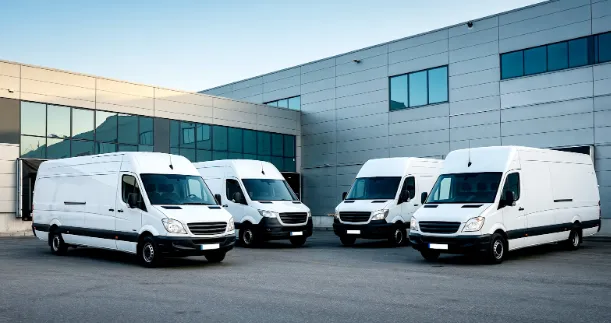
Managing a corporate fleet can be a daunting task for any business, whether small or large. A well-managed fleet ensures that your vehicles are utilized efficiently, cost-effectively, and remain compliant with industry regulations. From ensuring timely deliveries to maintaining vehicle health, fleet management plays a crucial role in a company’s overall performance. Here are some ingenious tips to help you manage corporate fleet operations more efficiently.
Below are five clever yet simple-to-follow tips to help you streamline fleet operations and achieve better outcomes.
Also Read: Can You Extend Your 485 Visa? Smart Ways Graduates Stay Longer in Australia
Let’s check them out.
- Centralize on Preventive Vehicle Maintenance
Efficient fleet management relies on preventive maintenance. Routine service maintenance can limit:
- unforeseen failures,
- decrease downtimes, and
- enhance the lifespan of the vehicle.
So, create a structured maintenance schedule for inspections, oil changes, tire rotations, and brake checks based on mileage and usage.
Leverage the power of digital fleet management tools to automate reminders and maintain service records for each vehicle.
This proactive stance, when taken, will not only reduce long-term repair costs but also keep your fleet safe and roadworthy.
- Control Fuel Spending with Smart Fuel Management
Fuel management should also be your top priority, as it’s one of the biggest contributors to fleet costs. The most efficient solution is the CardSmart fuel card for business, which enables companies to:
- track fuel purchases,
- establish a spending limit, and
- reduce misuse.
CardSmart’s fuel card business also offers comprehensive reports on fuel consumption to help fleet managers identify inefficiencies and manage vehicle usage more effectively.
With precise information and stricter controls, they can manage fuel costs and make decisions without flying blind.
- Optimize Routes and Scheduling
Efficient routing contributes significantly to fuel savings and delivery schedules. Being a fleet manager, you should consider the traffic conditions, delivery timeframes, and vehicle capacities. Further use route optimization software to find the most efficient routes.
Optimized routes result in reduced time spent on the road, reduced vehicle wear and tear, and increased driver productivity.
This will eventually lead to reduced operational costs and increased customer satisfaction—an overall win-win for everyone involved.
- Monitor Driver Behavior and Provide Training
Drivers are the heart of any fleet-related daily operations, and their habits directly influence the safety and costs. Use telematics to keep track of driver behavior and expose issues such as:
- over speeding,
- rough braking, or
- unnecessary idling.
After identifying these patterns, arrange specialized training sessions to promote a safer, more fuel-efficient driving experience.
Investing in your driver’s education can help significantly decrease the number of accidents as well as insurance claims. Hence, you will easily see that a small investment now can pay off in the future.
- Measure Performance through Key Fleet Metrics
Measuring performance should become the norm to improve fleet operations. Fuel efficiency, maintenance costs, vehicle utilization, and on-time delivery rate are key performance indicators (KPIs) that offer valuable insights.
Periodically evaluate such metrics to identify underperforming vehicles, allocate resources, and invest in the future. Data-driven decisions make fleet management much easier — and you do not need to reinvent the wheel.