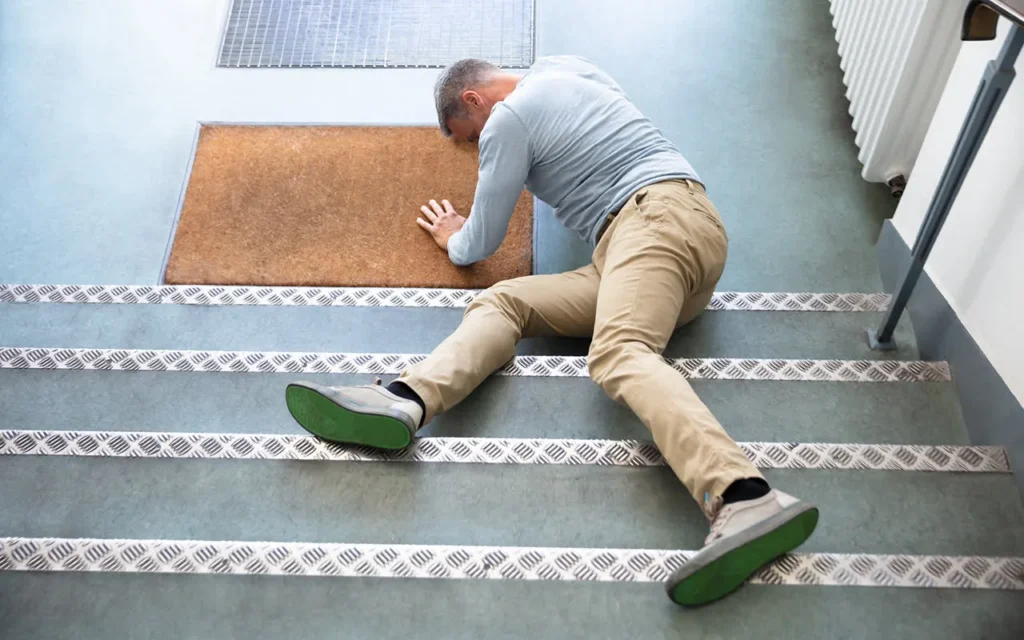
Slip-and-fall accidents are often dismissed as simple mishaps, yet they remain one of the most common causes of serious injury. Behind many of these incidents lies an overlooked factor: property maintenance practices. Floors, walkways, and staircases that appear harmless can quickly become dangerous when routine upkeep is ignored.
Also Read: Proprietary Trading 5 Essential Tips for Success
This article explores how property maintenance issues contribute to slip-and-fall injuries and why these cases deserve careful attention.
Hazards Are Often the Result of Neglect
Slip-and-fall accidents frequently occur due to conditions that develop over time, such as:
- Wet or freshly mopped floors without warning signs
- Cracked or uneven sidewalks
- Loose carpeting or mats
- Poor lighting in hallways or stairwells
- Accumulated debris or spills
These hazards are rarely sudden—they are often preventable.
Maintenance Records Matter More Than People Realize
Property owners are generally expected to inspect and maintain their premises. Maintenance logs, cleaning schedules, and repair records can reveal whether:
- Hazards were known but ignored
- Inspections were inconsistent
- Repairs were delayed
- Safety warnings were missing
These records help establish whether reasonable care was taken.
Weather-Related Falls Still Involve Responsibility
Rain, snow, or tracked-in moisture does not automatically excuse unsafe conditions. Property managers are often expected to take reasonable steps such as:
- Placing warning signs
- Using non-slip mats
- Clearing walkways
- Addressing drainage issues
Failure to do so can increase injury risk.
Footwear Is Often Blamed Unfairly
In slip-and-fall cases, injured individuals may be told their shoes were the problem. While footwear can be relevant, it does not override the duty to maintain safe walking surfaces.
Unsafe conditions remain unsafe regardless of shoes.
Injuries From Falls Are Frequently Severe
Slip-and-fall accidents commonly result in:
- Broken bones
- Head injuries
- Back and spinal trauma
- Hip fractures
- Long-term mobility issues
These injuries can disrupt work, independence, and daily life—especially for older adults.
Delayed Reporting Can Complicate Claims
Many people feel embarrassed after a fall and delay reporting it. Unfortunately, waiting can make it harder to:
- Document conditions accurately
- Identify witnesses
- Preserve evidence
- Connect injuries to the incident
Prompt reporting helps protect clarity.
Why Legal Perspective Matters in Fall Cases
Slip-and-fall claims often hinge on proving whether a hazard existed long enough to be addressed. Consulting a Personal Injury Attorney helps injured individuals understand what evidence matters, how maintenance responsibilities are evaluated, and how to approach these cases realistically.
Legal insight focuses on accountability—not blame.
Photographs and Witnesses Strengthen Fall Claims
Images of the hazard and statements from witnesses can help establish:
- The condition of the area
- Lack of warnings
- Visibility issues
- Duration of the hazard
These details often fade quickly if not preserved.
Falls Are Not “Just Accidents”
While slips and falls can happen anywhere, many occur because basic safety measures were overlooked. Identifying the underlying maintenance issue shifts the focus from embarrassment to prevention.
Accountability Encourages Safer Spaces
Slip-and-fall claims are not about punishment—they are about responsibility. Addressing unsafe conditions helps prevent future injuries and promotes safer environments for everyone.
With proper documentation and guidance from a trusted Personal Injury Attorney, injured individuals can pursue fair evaluation of their fall-related injuries—ensuring that overlooked hazards are taken seriously and addressed appropriately.