I have recently become a bird enthusiast and I struggled to understand the difference between conventional and organic bird seed. If I’m being honest, I didn’t even know that there were multiple types of seeds. I just entered a pet shop and imagined that I would just pick a random pack. Turns out that there is more to know about this topic. So, let’s go through some of the most important things that you need to know. This article is here to act as a guide, so you don’t need to be an expert of any kind.
How Are Bird Seed Produced?
Conventional bird seed is grown by using standard agricultural practices. That includes everything, from fertilizers, herbicides and pesticides. All of these methods are efficient, and their cost is reduced. Because of this, the conventional option will always be cheaper and widely available. But, of course, the finished seed in the pack might have traces of pesticides. Moreover, the environmental impact that pesticides have is negative. So, taking all of these into consideration, the conventional option could sometimes be a good pick, depending on what you are looking for.
On the other hand, the organic bird seed is grown without any synthetic fertilizers. The farmers growing them rely on crop rotation, soil amendments and biological pest control. As you can probably already tell, this practice will result in seeds that are organic, and an agricultural system that is more sustainable. The small disadvantage could be that the price of this option will be slightly higher. The process in which seeds are cared for, and so on, will influence the price. And, depending on how close or far a pet shop is to you, and what your budget is, you will have some options to choose from.
What Are the Nutritional Differences?
One of the things you might want to take into consideration when choosing between the two types is the nutritional differences. At the end of the day, your bird doesn’t care how environmentally friendly their seeds were grown and processed. If I were a bird, I would just care to get all of the nutrients that I need from my food. As an example, black oil sunflower seeds are one of the top favourite seeds of backyard birds, and they maintain their high-fat no matter if they are conventional or organic.
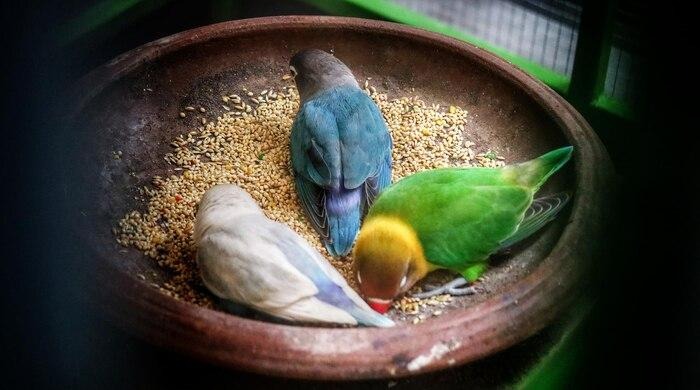
It’s essential to know that the pesticides used on the conventional seeds you see in pet stores are in very small amounts by the time the seeds are in the store. So if you are just choosing this option because it’s more affordable and accessible, you are not a bad bird owner or enthusiast. The more important thing is for the seeds to be diverse. Birds, like us humans, need protein, fats, vitamins, minerals and carbohydrates. Around 80-90% of deaths in birds are caused by an inadequate diet. So do not focus only on organic versus conventional, but on a diet that is rich and healthy.
Practical Consideration: Price and Availability
I sometimes enter a pet shop, and the first thing I do is check the prices. It might sound selfish, but my bird is not going to eat food that’s more expensive than mine. Well, maybe only a few times, but not all the time. Price is one of the elements that you should consider when wanting to buy bird seed. An organic option can be even 50% more expensive than the conventional one. Many birds consume large amounts of food, so paying an extremely high price per pack is not possible for most bird owners.
The availability also varies. A pet shop will have limited varieties, which is why you often must be pleased with what is available. Conventional bird seed is easy to find in almost every store, but you must look in multiple stores before you find organic ones. Birds are very picky eaters, so it’s often not a good idea to spend too much on seeds. You might spend a large amount of money on seeds that your bird will just throw on the floor.
The Environmental Impact
Probably the strongest argument pro-organic seed is that it’s better for the planet. The fact that pesticides and herbicides are avoided supports a more diverse insect population on farms. This will automatically help feed the birds and other animals that are living around the farm. The soil is also kept in its natural, healthier form. It’s a better solution if we are thinking long-term. Everyone already knows that, theoretically, the more natural something is, the better. And that is true, in a way or another, when talking about the organic agriculture technique.
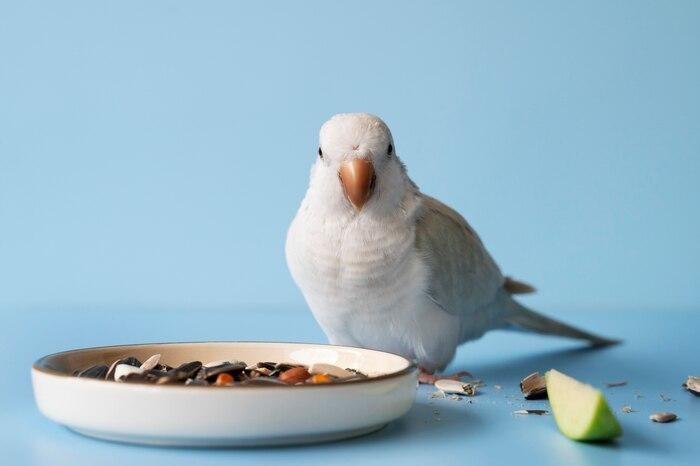
On the other hand, the thing about conventional farming is that it’s highly efficient. They often need less land to produce more product, compared to their counterpart. Now, your choice of buying the option that is accessible to you, is not going to ruin the world. It’s great to understand all of the implications and to try and make decisions that will help the planet. But real life is often more complicated than just choosing the organic option because it encourages the lives of insects. At the end of the day, as long as you are buying an option that is healthy for your bird, and nothing gets wasted, you are doing good!
Conclusion
Oftentimes, the only option that you really have is the one in the pet shop. As already mentioned, it’s essential that you focus on your bird’s food being full of protein, fats and everything else that it needs. The price and availability will always differ, which is why it’s simpler to pay more attention to the things that are actually important for the health of birds. Do not worry because conventional seeds do not lack all of the nutrients. And, of course, organic seeds are always a good option. You can allow your pet to try some different brands before deciding on one.