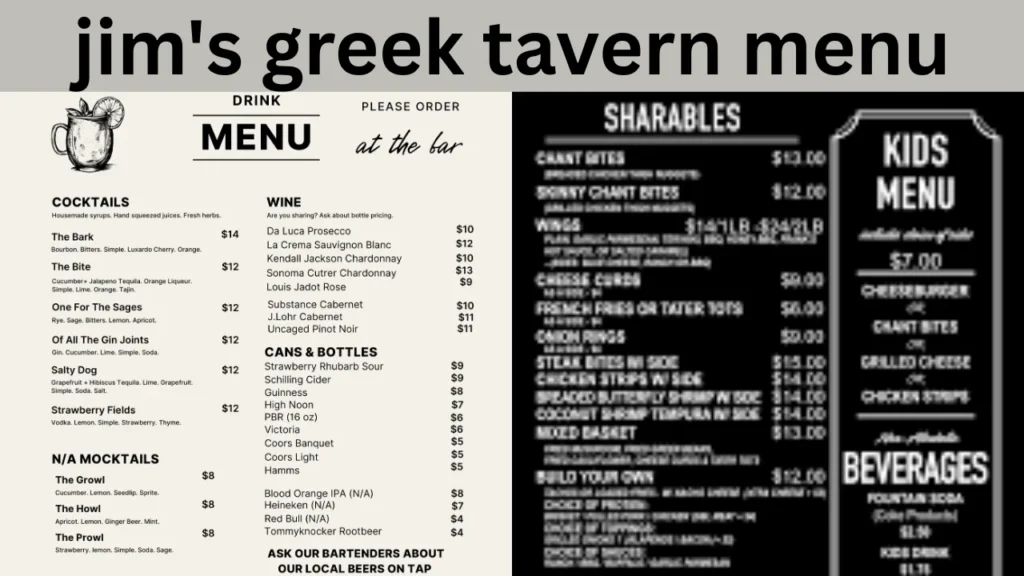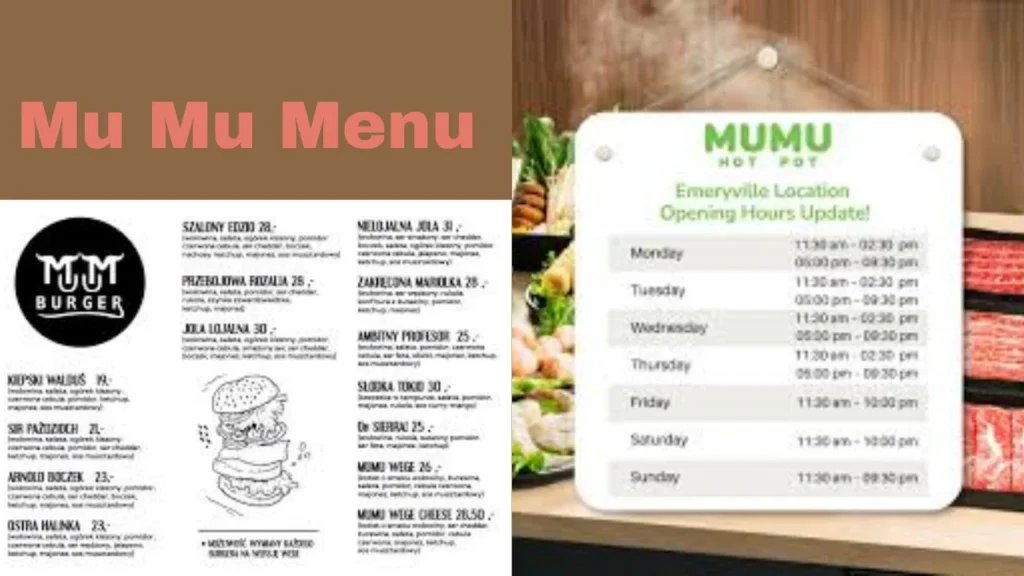
You have probably noticed a major shift at cafes and restaurants. Instead of being handed a printed menu, we’re being asked to scan QR codes.
This trend might have started as a safety measure during the pandemic, but it certainly has transformed into a long-term industry change.
Why Are Digital Menus So Popular?
The widespread shift towards mobile-friendly ordering tools has influenced customer behaviour. The current experience can be much more personalised because customers are highly responsive to visual elements. Menus are now a bigger part of the brand experience and are also used as a marketing element.
Furthermore, an often overlooked point is an economic one. The digital menus allow hospitality owners to have teams with fewer members, which saves time and cuts costs.
Practical Benefits
Digital-only menus solve several real-world problems for owners, managers, and staff. If you manage or run a hospitality venue, these benefits are likely already on your radar.
Reduced Operational Expenses
Printing menus regularly is expensive. Between design, paper quality, and frequent reprints, costs add up quickly. Digital-only menus give restaurants the freedom to reallocate budget to other business needs.
Hygiene and Safety
During COVID-19, reducing surface contact was essential, and digital menus emerged as a response to that. Even though restrictions have eased, many diners still prefer the cleanliness and simplicity of scanning a QR code rather than handling a menu that has been passed from hand to hand.
Data Analysis
One of the biggest reasons restaurants are going digital is the collection of data to gather customer insights about their needs and preferences. Digital menus, when set up correctly, can track:
- Most-viewed items
- Sales conversion rates (views to orders)
- Popular dining times
- Customer preferences
Optimising Stock and Reducing Waste
If restaurants have a clear understanding of their ordering patterns, they can improve how they manage inventory. Sure, you could do this by analysing orders, too, but it’s certainly faster and easier to do it directly through the data in your digital menus. If a dish is rarely ordered, it can be removed to reduce food waste and improve overall profitability.
Concerns
Not everyone is so thrilled about this transition, and that’s understandable. Some diners still prefer the tactile feel of a paper menu, while others struggle with technology.
Digital Fatigue
The human element remains a big part of any hospitality business. People are being overwhelmed by increasing reliance on smartphones for mundane tasks, and digital menus add to that mental strain. Restaurants and diners shouldn’t completely forget about the physical menu and provide a direct experience for those who need it.
Accessibility Above All
Older customers may find QR codes or mobile-based menus challenging. Train your staff to offer assistance and ensure an inclusive environment.
Data Privacy
Many venues use data to curate a one-of-a-kind experience for regular and new customers, but the information they gather should be protected. The restaurant industry remains aware of the rising threats of being targeted by cybercriminals. Many are opting to store data on Australian servers to establish compliance with local privacy laws. Hosting information locally contributes to reliable and smooth connections and local jurisdictions might be able to track potential data breaches easier.
The Environmental Angle
As sustainability becomes a stronger priority, digital menus contribute to eco-friendly operations. Removing paper menus reduces waste and lowers the use of ink, plastics, and lamination materials.
Restaurants committed to sustainable practices find that digital menus align well with broader environmental goals, especially when combined with energy-efficient equipment and responsible sourcing.
A More Customisable Dining Journey
Digital menus pave the way for:
- Personalised recommendations
- Interactive wine pairings
- Allergen filtering
- Nutritional transparency
Conclusion
The shift to digital-only menus isn’t just a technological fad; it’s a reflection of how dining is evolving. They’re flexible, cost-effective, hygienic, and the perfect way to elevate the customer experience in ways traditional menus never could. As more venues embrace this change, digital-only menus will likely become the new normal.