Water is becoming more expensive every year, and environmental regulations are getting stricter. If you run a vehicle washing business or manage a fleet, you’re probably wondering how to cut water costs while staying compliant with local laws. The answer? A zero-waste washbay system that captures and reuses 100% of the water you use.
Sounds impossible? It’s not. Businesses around the world are already doing it, and you can too. Let’s break down exactly how these systems work and why they’re worth considering.
Why Zero-Waste Washbays Matter
Traditional washbays waste thousands of gallons of water daily. That water carries dirt, oil, grease, and chemicals straight into storm drains or sewers. You’re literally washing money down the drain while potentially facing fines for environmental violations.
A zero-waste washbay changes everything. You use the same water over and over again after cleaning it properly. This means lower water bills, reduced environmental impact, and peace of mind knowing you’re meeting regulations.
The Basic Components You Need
Building a zero-waste washbay isn’t as complicated as it sounds. Here are the essential parts:
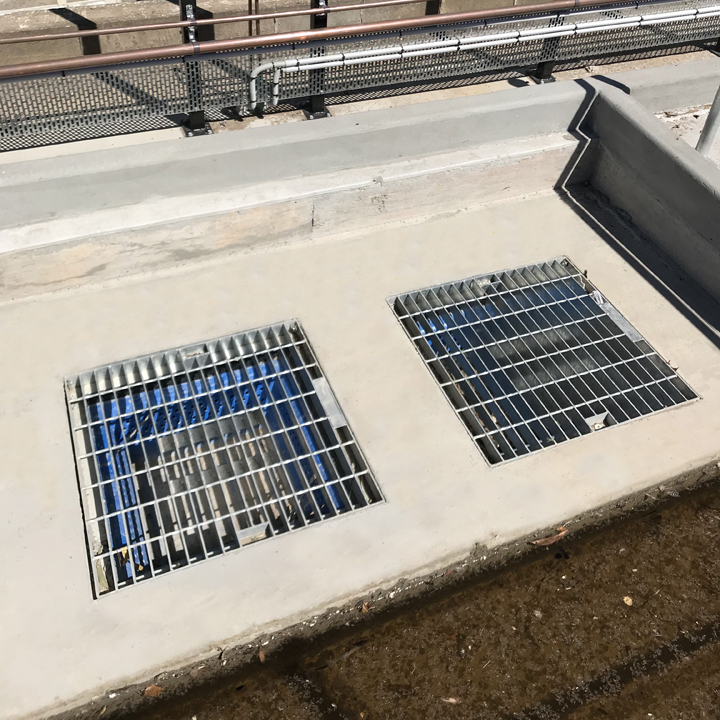
Collection System: Every drop of water needs to be captured. This starts with proper flooring that slopes toward collection drains. You’ll need grated trenches or a pit system that funnels all water to one location. No water should escape to surrounding areas.
Separation Tank: Water flows first into a separation tank where heavy particles settle to the bottom. Oil and grease float to the top. This simple gravity-based system removes about 60-70% of contaminants without any power or chemicals.
Filtration System: After separation, water moves through filters that remove smaller particles. Most systems use sand filters, bag filters, or cartridge filters. Some advanced setups use multiple filtration stages for cleaner results.
Treatment Unit: This is where the magic happens. Depending on your needs, you might use biological treatment (bacteria eat organic contaminants), chemical treatment (substances neutralize pollutants), or advanced methods like UV sterilization or ozone treatment.
Storage Tank: Clean, treated water gets stored in holding tanks ready for reuse. These tanks should be covered to prevent algae growth and contamination.
Pump System: Pumps move water through each stage and back to your washing equipment. Variable speed pumps save energy by adjusting flow rates based on demand.
How the System Works in Real Life
Let’s walk through a typical washing cycle. You spray down a dirty truck, and the water runs off carrying mud, oil, and cleaning chemicals. Instead of disappearing into a drain, it flows into your collection system.
The water enters the separation tank where rocks, sand, and heavy debris sink. Oil rises to the top where it’s skimmed off for proper disposal. The middle layer of water, now much cleaner, moves to the filtration stage.
Filters catch smaller particles that escaped the separation tank. The water then goes through treatment to remove any remaining contaminants and kill bacteria. Finally, it reaches the storage tank, clean enough to use again for washing vehicles.
The entire process happens automatically. You don’t need to think about it—just wash vehicles as usual while the system works behind the scenes.
Real Cost Savings
A typical commercial washbay uses 50-150 gallons per vehicle wash. If you wash 20 vehicles daily, that’s up to 3,000 gallons per day. At average water and sewer rates, you’re spending $2,000-$5,000 monthly just on water.
A zero-waste system reduces water consumption by 85-95%. You only need fresh water to replace what evaporates or gets carried away on vehicles. That same washbay might use only 150-300 gallons of fresh water daily—a massive reduction that pays for the system within 2-4 years.
Maintenance You Should Expect
These systems aren’t maintenance-free, but they’re not demanding either. Plan on these regular tasks:
- Clean separation tanks monthly to remove accumulated sludge
- Replace or clean filters every 1-3 months depending on usage
- Test water quality weekly to ensure treatment is working
- Inspect pumps and valves quarterly for wear
- Have a professional service the system annually
Most businesses assign one staff member to handle daily checks, which take about 15-30 minutes.
Getting Started
Start by assessing your current water usage. Install a meter if you don’t have one and track consumption for a month. This gives you baseline data to calculate potential savings.
Next, consult with a washbay design specialist. They’ll evaluate your space, washing volume, and local regulations to recommend the right system size and components.
Expect to invest $15,000-$75,000 depending on your washbay size and requirements. Yes, it’s significant, but remember the payback period of 2-4 years, plus many regions offer grants or tax incentives for water conservation projects.
The Bottom Line
Zero-waste washbay systems aren’t just environmentally friendly—they’re smart business. You’ll save money, comply with regulations, and gain marketing advantages by promoting your eco-friendly practices.
The technology is proven, the components are reliable, and the return on investment is solid. Whether you’re building a new washbay or upgrading an existing one, zero-waste design should be on your radar.
Water is too valuable to use just once. With the right system, you can wash vehicles all day while barely using any fresh water at all. That’s not just good for the planet—it’s good for your bottom line.
Ready to transform your washbay into a zero-waste operation? Contact Citi Industries today for a free consultation and find out how much you could save starting next month.