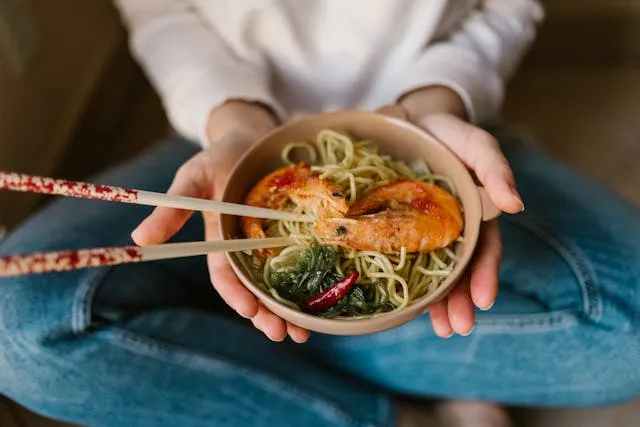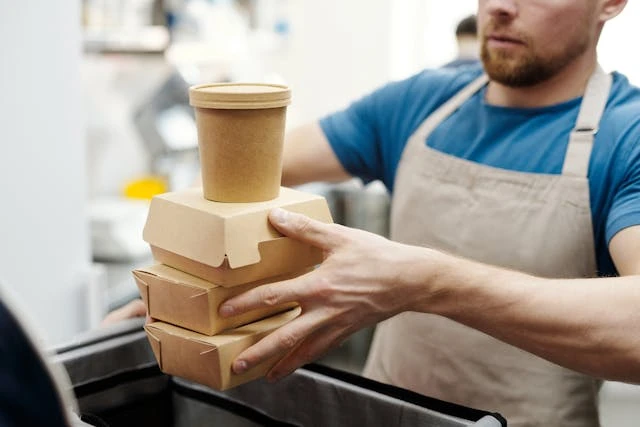
For small restaurants, pickup and delivery packaging does more than carry food from one place to another. It protects the quality of the meal, shapes the customer’s first impression at home and quietly signals how much care goes into the business behind it. When the bag is sturdy, the containers make sense and every item feels considered, the restaurant comes across as organized and trustworthy. When the packaging is flimsy, messy or inconsistent, even good food can feel like a compromise.
Also Read: Why School Holiday Tutoring Programs Are Ideal for Skill Building
That matters because off-premise dining leaves fewer chances to recover from friction. There is no host, no dining room atmosphere and no server to smooth over small disappointments. Packaging has to do more of the work.
The best setup is rarely the most elaborate. For most small operators, it is a disciplined system built around food performance, brand consistency and operational ease.
Start with the food, not the packaging catalog
A strong packaging setup begins by matching containers to menu realities. Crispy foods need vented packaging that lets steam escape rather than trapping it. Saucy dishes need secure lids and leak-resistant bases. Hot and cold items should be separated whenever possible, especially in orders that travel more than a few minutes.
Too many restaurants choose packaging based solely on unit cost, then wonder why fries arrive limp, sandwiches shift in transit, or sauces spill into the bag. The better approach is to identify your most frequently ordered pickup and delivery items and test packaging against them under real conditions. Pack the food, wait for the average delivery time, then open it as a customer would. What still looks appetizing? What holds temperature? What turns soggy? Those answers should shape the system.
Good packaging protects margins, too. Remakes, refunds and disappointed first-time customers are often more expensive than upgrading a container.
Build a simple, repeatable packaging system
The strongest restaurant packaging setups are consistent. Not flashy, just consistent. A small restaurant does not need ten container types, custom solutions for every menu item, or a different label for every shift. It needs a streamlined system that staff can execute accurately during a rush.
For most operators, that means standardizing around a small core: one or two dependable hot-food containers, one clear option for cold items, a well-sized paper bag, branded labels or stickers, and a simple insert if it adds value. Consistency is what makes the order feel polished. It also reduces packing errors, simplifies inventory, and speeds up training.
This is where packaging starts to support the broader conversation around restaurant branding trends. Customers do not experience brand identity as a logo in isolation. They experience it through repeated signals: the look of the label, the quality of the bag, the clarity of the item names, and the overall sense that the restaurant has thought the experience through.
Brand it with restraint
Small restaurants often make one of two mistakes with branded packaging. They either ignore branding entirely, leaving the order looking generic, or they overcomplicate it with too many design elements. Neither approach works particularly well.
The most effective packaging identity is restrained and recognizable. A clean logo, one or two brand colors and a legible label system usually go much further than busy graphics. Customers should be able to quickly identify the restaurant, read the order, and feel that the visual presentation matches the quality of the food.
That does not require fully custom-printed containers across every SKU. For many small operators, branded stickers, printed bags, or a smart-label format offer enough visual cohesion without incurring unnecessary costs or complexity. The goal is not decoration for its own sake. It is coherence.
Improve the customer experience in small, practical ways
Good packaging anticipates the customer’s experience after pickup or drop-off. Is the bag easy to carry? Are dishes labeled clearly? Are reheating or handling instructions obvious when needed? Are utensils, napkins, and condiments included thoughtfully rather than automatically dumped into every order?
These details are easy to overlook in-house, but they influence whether the meal feels frustrating or seamless. Clear labels help families sort multiple dishes. A separate sealed sauce container can preserve texture. A tidy, well-packed order gives the impression of care before the first bite.
Customers may not praise packaging outright, but they notice when it makes the meal easier to enjoy.
A practical setup for small restaurants
For most small restaurants with limited resources, the best setup is straightforward: a compact range of high-performing containers, one reliable branded bag, a clean label system and a packing process staff can follow quickly and correctly. Keep the number of packaging components manageable. Test for food quality, not just appearance. Invest where the customer will feel the difference most.
Packaging does not need to be extravagant to be effective. It needs to be intentional. For restaurants that depend on pickup and delivery, that intention shows up as hotter meals, fewer mistakes, stronger brand recognition and a better chance that a first order turns into a second.