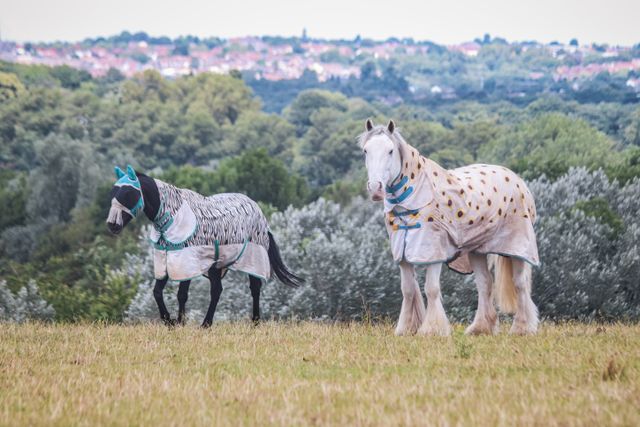
Choosing the right rug for a horse involves more than picking the thickest option available. Different rugs are designed for different environments, temperatures and levels of activity.
Also Read: Why Marugame Is Redefining the Noodle Experience Globally
Knowing what each type does can make shopping for horse rugs online more straightforward and help owners avoid unnecessary layering or inadequate protection.
Turnout Rugs
Turnout rugs are made for horses spending time outdoors. They generally have waterproof or water-resistant outer fabrics, allowing them to cope with rain, wind and damp conditions. Many are also breathable, helping excess heat and moisture escape during movement.
Their durability matters because turnout rugs can encounter mud, fences and general wear. Features such as adjustable fastenings, secure chest closures and freedom of movement can improve fit and reduce rubbing.
Stable Rugs
Stable rugs are intended for indoor use, particularly when a horse is kept in a stable overnight. They are usually not designed to withstand persistent rain, so using one outside can leave the horse poorly protected.
Stable rugs come in different weights, from lightweight designs for mild conditions to heavier options for colder weather. The correct choice depends on the horse’s natural coat, clipping status, stable temperature and individual needs.
Lightweight and Weather-Protection Rugs
Not every cold or wet day calls for a heavy rug. Lightweight sheets can provide protection from showers, wind or insects without creating excessive warmth. Waterproof sheets may be useful during changeable weather, while fleece or cooler rugs can help manage moisture after exercise.
Layering can provide flexibility, but owners should check regularly for sweating, dampness or signs of discomfort. A rug that works in the morning may be unsuitable after temperatures rise later in the day.
Choosing the Right Weight
Rug weights are commonly described as lightweight, mediumweight or heavyweight, although there is no universal temperature chart that suits every horse. A clipped horse may need more insulation than an unclipped horse, while an older, finer-coated or less active horse may also require additional protection.
Body condition, shelter, wind exposure and acclimatisation should all be considered. Checking the horse beneath the rug is more useful than relying solely on the stated weight.
Fit and Construction
A well-fitting rug should cover the horse adequately without restricting the shoulders, pressing on the withers or slipping backwards. Owners should check the chest, neck, belly and hindquarters for rubbing or pressure points.
When to Change Rugs
Weather can shift quickly, so rug selection should be reviewed throughout the day rather than treated as a seasonal decision. Changing a rug may help when temperatures increase, rainfall stops, or the horse becomes more active. Regular skin checks help identify irritation.
Choosing a Trusted Saddlery Retailer
Greg Grant Saddlery is one example of a saddlery retailer where owners may encounter different rug styles and related horse-care equipment. Considering construction, intended use and fit, rather than simply choosing by appearance, remains important when comparing available options.
Final Considerations
Horse rugs are useful tools for managing exposure to cold, wet and windy conditions, but they should complement, not replace, sensible horse care. Horses should be checked regularly, rugs kept clean and dry, and weight adjusted as weather changes. By understanding the differences between turnout, stable and weather-protection options, owners can make more practical choices when buying horse rugs online.