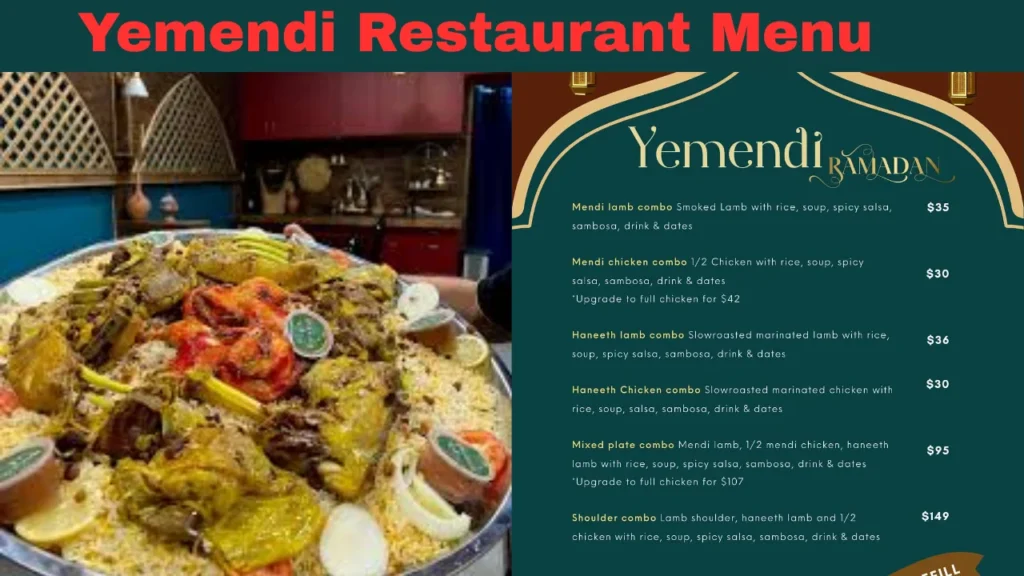
The Yemendi Restaurant menu brings the traditional tastes of Yemeni cuisine to diners through rich spices, fragrant rice, and slow-cooked meats. Popular dishes such as mandi, haneeth, and fahsa highlight the restaurant’s focus on hearty and flavorful meals. Chicken and lamb choices provide plenty of variety for different tastes. Each dish reflects the comforting style associated with Yemeni food.
Beyond the main dishes, the menu includes sides and traditional beverages that complete the dining experience. Adeni tea and Arabic tea pair well with the restaurant’s filling meat and rice dishes. Diners exploring Sean’s Menu may also appreciate discovering the different flavors and traditional choices available at Yemendi Restaurant. Overall, the restaurant offers individuals, families, and groups a satisfying introduction to Yemen’s rich culinary tradition.
What Is a Yemendi Restaurant Menu?
A Yemendi Restaurant menu presents traditional Yemeni dishes prepared with aromatic spices, slow-cooked meats, rice, and bread. Popular choices include mandi, haneeth, fahsa, lamb dishes, and chicken meals. These foods reflect the rich cooking traditions and distinctive flavors of Yemen. Customers can choose meals suited to individual dining or sharing.
The menu also features accompaniments and beverages that complement the main dishes. Adeni tea, Arabic tea, yogurt, rice, and bread can help complete the dining experience. Many dishes focus on simple ingredients combined with traditional cooking methods. Overall, the menu gives diners an opportunity to explore authentic Yemeni-inspired flavors.
Owner Information
Yemendi Restaurant operates in Beverly Hills, New South Wales. Public Australian business records identify YEMENDI PTY LTD as the registered business entity, but they do not clearly identify an individual restaurant owner. Therefore, it is safer to list the company rather than claim a specific person owns the restaurant.
| Detail | Information |
|---|---|
| Restaurant Name | Yemendi Restaurant |
| Registered Entity | YEMENDI PTY LTD |
| Business Type | Australian Private Company |
Location Details
Yemendi Restaurant is located in Beverly Hills, New South Wales, where it serves traditional Yemeni dishes in a family-friendly setting.
| Location Detail | Information |
|---|---|
| Restaurant Name | Yemendi Restaurant |
| Street Address | 500 King Georges Road |
| Suburb | Beverly Hills |
| State | New South Wales (NSW) |
| Postcode | 2209 |
Opening and Closing Hours
The opening hours for Yemendi Restaurant in Beverly Hills may change on public holidays or special occasions. Customers should confirm the latest hours before visiting.
| Day | Opening Time | Closing Time |
|---|---|---|
| Monday | 1:30 PM | 11:00 PM |
| Tuesday | 1:30 PM | 11:00 PM |
| Wednesday | 1:30 PM | 11:00 PM |
| Thursday | 1:30 PM | 11:00 PM |
| Friday | 1:30 PM | 11:45 PM |
| Saturday | 1:30 PM | 12:00 AM |
| Sunday | 1:30 PM | 12:00 AM |
Signature Starters on the Menu
A Yemeni meal begins with inviting starters. You will find samboosa, often filled with meat or cheese. It may include falafel, labneh, and hummus. These dips pair with flatbreads. They prepare the palate gently before heavier mains arrive. Many menus add fresh salads or lentil soup too.
These starters are meant to be shared. They promote conversation. They also help set the mood for the meal.
| Item | Estimated Price (AUD) |
|---|---|
| Samboosa | $8.00 |
| Falafel | $9.00 |
| Labneh | $8.00 |
| Hummus | $9.00 |
| Fresh Salad | $10.00 |
| Lentil Soup | $9.00 |
Main Courses That Define Yemeni Dining
The heart of it lies in its main courses. People often order mandi. Mandi is rice with slow‑cooked lamb or chicken. It is seasoned with saffron, cardamom, and spices. The dish is tender and fragrant. It often comes with broth and vegetables on the side.
Another classic is haneeth. It is lamb cooked underground. This method gives it a smoky taste. The meat falls off the bone. The menu usually shows haneeth under “Signature Mains”. Then there is salta. It is a stew served in a heavy stone pot. It mixes lamb, fenugreek paste, and broth. Eaters stir salta and dip warm bread into it. These mains highlight the slow‑cooking tradition of Yemeni cuisine.
| Food Item | Price (AUD) |
|---|---|
| Mandi Chicken | $19.00 |
| Mandi Lamb | $29.99 |
| Haneeth Lamb | $34.00 |
| Prawn Kabsa | $32.00 |
| Lamb Soup | From $2.00 |
| Mix Plate | $89.99 |
| Mix Plate with Whole Chicken | $110.00 |
Breads & Accompaniments
Bread plays an important role on it. Yemenis love fresh breads. Common choices include malawach and jachnun. Malawach is flaky and buttery. Jachnun is rolled dough, cooked overnight.
Other breads include malooga and bint al‑sahn. Malooga is flat and soft. Bint al‑sahn is layered, like a sweet pancake. It is often served with honey and ghee. These breads soak up stews and dips. They give texture and flavor to every bite.
| Item | Estimated Price (AUD) |
|---|---|
| Malooga Bread | $5.00 |
| Malawach | $7.00 |
| Jachnun | $8.00 |
| Flatbread | $4.00 |
| Bint Al-Sahn | $12.00 |
| Extra Bread | $3.00 |
Vegetables, Rice, and Grain Dishes
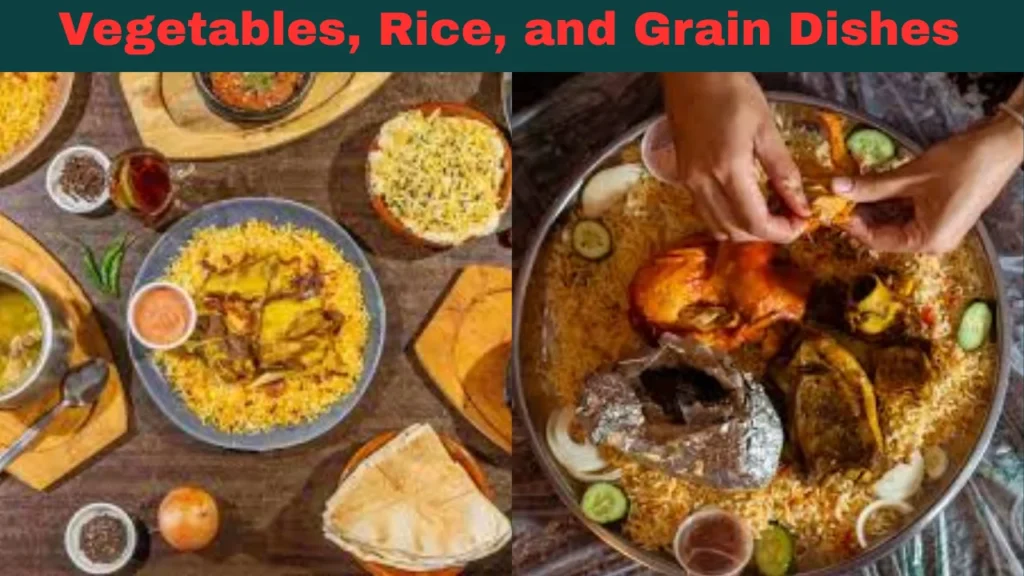
It includes rice and wheat dishes beyond mandi. You may find kabsa, mathlotha, and jareesh. Kabsa is spiced rice with meat. Mathlotha mixes noodles, rice, and meat. Jareesh uses crushed wheat and meat. These dishes are hearty and traditional.
Vegetable sides like cooked spinach, okra stew, or chickpea salad may appear. They add balance to rich mains.
| Item | Estimated Price (AUD) |
|---|---|
| Kabsa Rice | $18.00 |
| Mandi Rice | $12.00 |
| Mathlotha | $22.00 |
| Jareesh | $16.00 |
| Okra Stew | $14.00 |
| Cooked Spinach | $12.00 |
| Chickpea Salad | $11.00 |
| Mixed Vegetables | $12.00 |
Desserts and Sweet Treasures
Desserts on a restaurant menu are a treat. One sweet is masoob – bread pudding with bananas, cream, and honey. Rawani or basbousa is a semolina cake soaked in coconut syrup. Bint al‑sahn can also serve as a dessert. It is slightly sweet and buttery.
Honeycomb pastry, called khaliyat nahl, is small and filled with cheese or syrup. These desserts end a meal on a gentle, sweet note.
| Dessert Item | Estimated Price (AUD) |
|---|---|
| Masoob | $12.00 |
| Bint Al-Sahn | $13.00 |
| Basbousa | $8.00 |
| Rawani | $8.00 |
| Khaliyat Nahl | $10.00 |
| Honey Cake | $9.00 |
| Date Dessert | $9.00 |
| Banana and Honey Dessert | $11.00 |
Drinks and Beverages
Beverages on it include traditional favorites. Yemeni coffee is often spiced with cardamom and ginger. It is served black and strong. Black tea is also common. It may come sweet and aromatic.
Some restaurants include laban (yogurt drink) or fresh juices. These drinks help balance spicy or heavy dishes.
| Drink Item | Price (AUD) |
|---|---|
| Adeni Tea | $6.99 |
| Arabic Tea | $4.50 |
| Canned Soft Drink | $4.00 |
| Bottled Water | $3.00 |
Customizable Set Menu Options
Many Yemeni restaurants offer combo meals. You choose a starter, main, drink, and dessert. This is ideal for new diners. It guides them without overwhelming choice.
Here is a sample:
| Course | Dish Options |
|---|---|
| Starter | Samboosa, Labneh, Hummus |
| Main | Mandi (lamb or chicken), Haneeth, Salta |
| Bread | Malooga, Jachnun |
| Dessert | Masoob, Bint al‑sahn |
| Drink | Yemeni coffee, black tea, juice |
Spice Levels and Ingredient Notes
It often highlights spice notes. Yemendi Restaurant marks items as mild, medium, or spicy. It lists key ingredients. Common spices include cumin, fenugreek, cinnamon, and cloves. Some dishes feature fenugreek paste prominently.
This menu design suits both local diners and new visitors. It prevents surprises at the table. It helps people choose wisely based on taste and tolerance.
How Menus Vary by Region?
It changes from city to city. In Sanaa, menus may focus on saltah and traditional breads. In Aden, fish dishes like sayadieh are more common. Coastline menus may include fresh fish and marine flavors.
Menus in other countries adapt too. They may drop deep‑fried items or add vegetarian versions. The key structure stays: starters, mains, breads, desserts, and drinks. But ingredients shift based on location and audience.
Price Ranges and Value
A Yemeni menu should inform customers about price. For example, samboosa may cost $2–3. Mains like mandi can range from $10–20. Desserts are often $4–7. Drinks like coffee may be $2–4.
A table can help:
| Item | Price Range (USD) |
|---|---|
| Starters | 2 – 5 |
| Main Plates | 10 – 25 |
| Breads | 2 – 6 |
| Desserts | 4 – 8 |
| Beverages | 2 – 5 |
This transparency shows value. It helps diners decide before they arrive.
Catering and Group Menus
Many Yemeni restaurants offer group options. A yemendi restaurant menu for catering may include large mandi trays. These trays serve 10–20 people. They also include sides and salads. Catering menus are less detailed but show quantities and prices.
They may highlight pick‑up, delivery, or drop‑off options. This makes them easy to order for events.
How Menus Evolve?
Yemeni restaurant menus evolve as chefs respond to changing customer tastes and dining trends. Restaurants may introduce new dishes while keeping traditional favorites such as mandi, haneeth, and fahsa. Seasonal ingredients can also influence what appears on the menu. This approach gives diners both familiar flavors and new choices.
Modern menus may also provide more options for families, groups, and people with different food preferences. Restaurants can adjust portions, introduce new side dishes, or create special combinations based on customer demand. However, traditional spices, slow-cooking methods, and Yemeni flavors usually remain at the heart of the experience. This balance helps the menu stay fresh while respecting its culinary roots.
Customer Reviews
| Reviewer Name | Rating | Feedback |
|---|---|---|
| Safwat Hossain | 5/5 | Praised the Haneeth Lamb Mandi, chicken mandi, Arabian tea, staff, and seating area. |
| Anisha Lakhani | 5/5 | Enjoyed the mixed mandi, Yemeni tea, rich flavours, and welcoming atmosphere. |
| Shamma A | 5/5 | Praised the fresh food, generous portions, friendly service, and warm setting. |
| Zafar Khan | 5/5 | Recommended the rice dishes, tender lamb, chicken, and traditional tea. |
| Lara Allegra Lange | 5/5 | Loved the mixed plate, chicken mandi, private dining room, and Yemeni spiced tea. |
| Razaq Salem | 4/5 | Liked the food and setting but felt the menu needed more options. |
Conclusion
A yemendi restaurant menu is more than words. It is a journey through Yemen’s taste and tradition. Yemendi Restaurant balances starters and mains, spices and breads, sweets and drinks. It meets modern needs like SEO, nutrition, and mobile design. It adapts to regions and customer dietary demands.
When diners understand a menu, they enjoy their meal more. When menus showcase quality and clarity, restaurants thrive. If you run or design a Yemeni restaurant, pay attention to menu layout, ingredients, prices, and SEO. Then more people will discover your food and your story.